

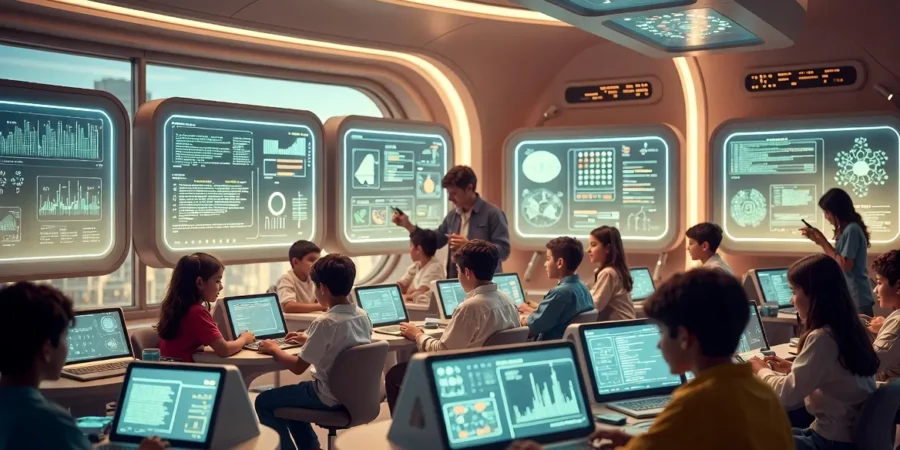
Schools and universities across Argentina are rapidly embracing artificial intelligence and digital learning technology in 2026, creating one of the biggest shifts the country’s education system has seen in years.
What began as simple online learning tools during previous years has now evolved into fully integrated AI-assisted classrooms. Students in cities like Buenos Aires and Córdoba are increasingly using smart platforms that personalize lessons based on individual performance and learning speed.
Education experts say the focus is no longer just on digital access — it is now about creating adaptive learning environments that help students understand material more efficiently. AI tutoring systems are being used to answer questions instantly, recommend exercises, and track student progress in real time. (edweek.org)
Hybrid learning has also become the new standard for many institutions. Universities are combining physical classes with digital coursework, recorded lectures, and collaborative online tools that allow students to continue learning from anywhere. Analysts say this flexibility has become especially important for working students and those living outside major cities.
Another major trend is the growing demand for short-term certifications focused on practical skills. Students are increasingly enrolling in courses related to artificial intelligence, cybersecurity, programming, digital marketing, and data analytics rather than relying only on traditional long-degree programs. Employers across Argentina are beginning to prioritize technical skills and adaptability in the modern job market.
Teachers are also using AI tools to automate repetitive tasks like grading and attendance tracking, allowing them to spend more time on direct student interaction. However, educators continue emphasizing that technology is meant to support teachers rather than replace them entirely. (weforum.org)
The rapid growth of educational technology has sparked debate about accessibility as well. While private schools are adopting advanced systems quickly, some public institutions still face challenges related to internet infrastructure and device availability. Government programs are continuing efforts to improve digital access across underserved regions.
Social media and online communities are also influencing learning trends. Many Argentine students now supplement formal education through YouTube tutorials, AI study assistants, and online communities focused on coding, languages, and career development.
Industry analysts believe Argentina’s education sector is entering a long-term digital transformation where personalized learning and technology-driven classrooms will become increasingly normal throughout the rest of the decade.

Leave a Reply