

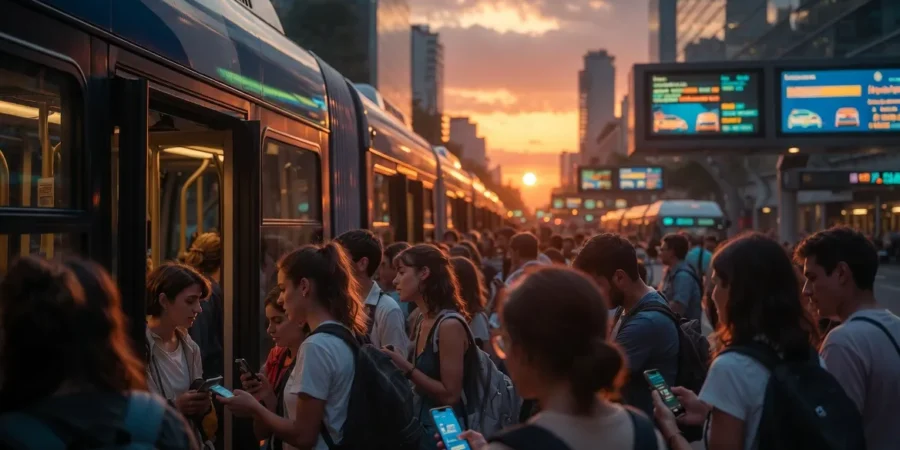
Across Argentina, daily commuting is becoming smarter and faster thanks to a new wave of AI-powered transport applications. In cities like Buenos Aires, Córdoba, and Rosario, commuters are increasingly relying on intelligent mobility platforms that predict traffic conditions, optimize routes, and reduce waiting times.
These modern transport apps combine real-time GPS tracking, predictive AI systems, and public transit integration to help users move efficiently through crowded urban environments. Instead of checking multiple platforms for buses, trains, and metro schedules, commuters now receive personalized recommendations directly on their phones.
One of the biggest changes has been the integration of electric buses and eco-friendly transportation into these smart systems. AI algorithms can now suggest greener travel options depending on traffic congestion and weather conditions. Many Argentinians are also using digital payment systems linked directly to transport applications, making public transportation more seamless than ever before.
The rise of remote work has also changed commuting patterns. Technology companies in Argentina are developing adaptive transport solutions that recognize peak movement hours and adjust recommendations accordingly. Some apps even provide safety alerts, live crowd density information, and emergency notifications for passengers traveling late at night.
Experts believe Argentina’s growing investment in smart-city infrastructure will continue transforming public transportation over the next few years. As artificial intelligence becomes more integrated into urban planning, commuters may soon experience fully synchronized transit systems powered almost entirely by automation and predictive analytics.
For younger generations especially, these technologies are not just conveniences — they represent a completely new way of living in modern Argentine cities.

Leave a Reply