

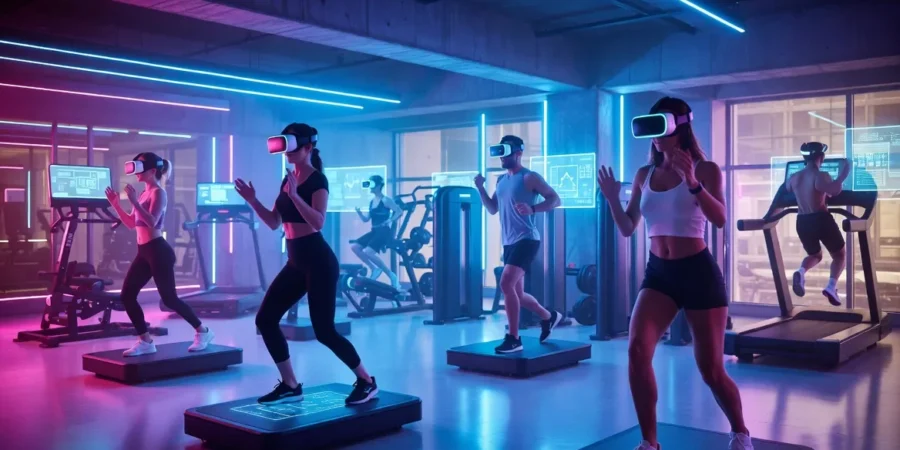
Fitness culture in Argentina is entering a completely new era in 2026 as virtual reality fitness studios rapidly become one of the country’s most exciting technology-driven lifestyle trends. Across Buenos Aires, Córdoba, and Rosario, immersive VR workout centers are attracting younger audiences searching for more engaging and interactive alternatives to traditional gyms.
Unlike conventional fitness clubs filled with standard treadmills and weight machines, VR fitness studios transform exercise into fully immersive digital experiences. Participants wear advanced virtual reality headsets while completing workouts inside simulated environments ranging from futuristic cities and mountain landscapes to boxing arenas and rhythm-based game worlds.
The popularity of virtual fitness reflects changing attitudes toward exercise among younger generations. Many people struggle with workout boredom and lack of motivation, and immersive technology is helping solve this problem by making physical activity feel more like entertainment than routine exercise.
Some VR fitness programs combine cardio workouts with gaming mechanics where users must dodge obstacles, hit targets, dance to music, or compete against digital opponents. The result creates highly energetic sessions that burn calories while maintaining constant mental stimulation.
Social media has helped fuel the trend dramatically. Videos showing people exercising inside futuristic VR environments regularly attract millions of views online, making virtual fitness appear both technologically advanced and visually exciting.
Fitness studios are investing heavily in immersive interior design to enhance the experience. Neon lighting, digital displays, interactive walls, and cyberpunk-inspired aesthetics create environments that feel completely different from traditional gyms.
The rise of gaming culture has also contributed significantly to the movement. Younger consumers who grew up playing video games are naturally drawn to workout experiences that combine competition, achievement systems, and immersive digital interaction.
Health professionals note that VR fitness may help people remain more consistent with exercise routines because interactive environments reduce feelings of monotony and increase overall engagement during workouts.
Technology companies are continuing to improve tracking systems, motion sensors, and biometric analysis tools that measure heart rate, calorie burn, posture, and movement precision during VR training sessions.
Some studios are now offering multiplayer workout experiences where users can compete or cooperate with friends inside shared virtual worlds. This social aspect is making fitness feel more community-oriented and collaborative.
The trend is especially strong among urban professionals looking for efficient and mentally stimulating workout options after long workdays. Many consumers now view immersive fitness as both physical exercise and stress relief.
Experts believe VR-based wellness experiences could expand significantly over the next decade as augmented reality and artificial intelligence continue evolving within the health and fitness industry.
For many Argentinians, virtual reality fitness represents more than simply exercising with technology. It symbolizes a future where wellness, gaming, entertainment, and physical health merge together into one completely immersive lifestyle experience.

Leave a Reply