

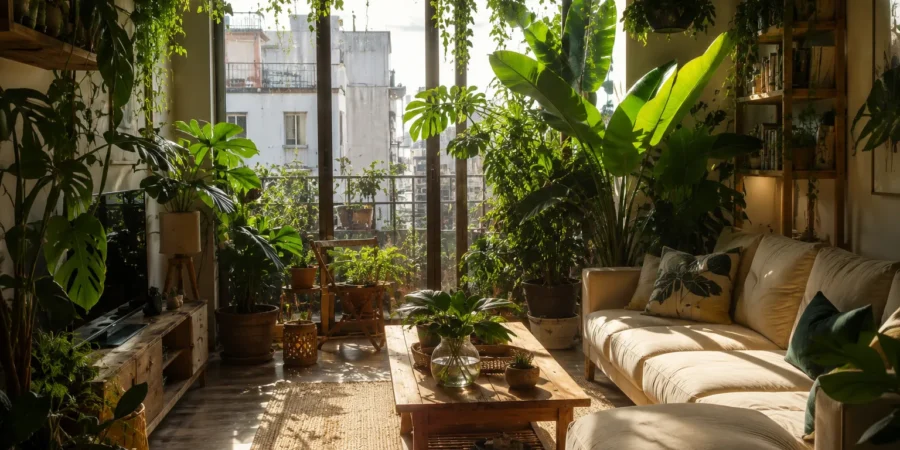
Indoor gardening has become one of the most influential lifestyle trends across Argentina in 2026, and the concept of “urban jungle décor” is now transforming apartments and homes throughout the country. In cities where outdoor space is often limited, people are bringing nature indoors by filling their living spaces with tropical plants, hanging greenery, and botanical-inspired interiors.
The movement has become especially popular among younger generations living in Buenos Aires, Rosario, and Córdoba. Social media platforms are filled with beautifully designed apartments featuring large monsteras, ferns, palms, and cascading vines arranged around modern furniture and warm natural lighting.
Many Argentinians are turning to indoor plants not only for decoration but also for emotional well-being. Interior greenery is increasingly associated with stress reduction, improved air quality, and creating calmer home environments in busy urban settings. As remote work continues growing, people are spending more time improving the atmosphere of their living spaces.
The trend gained momentum after interior designers began combining minimalist architecture with dense natural greenery. Instead of heavily decorated rooms, many homeowners now prefer clean spaces filled with organic textures, wooden materials, earthy colors, and strategically placed plants that create relaxing environments inspired by nature.
Houseplants that were once considered simple decorative accessories are now becoming central elements of home design. Rare tropical plants, oversized indoor trees, and vertical plant walls are appearing in apartments, cafés, and office spaces across Argentina.
Plant shops and urban gardening businesses are experiencing rapid growth because of rising demand. Many stores now specialize exclusively in indoor greenery and offer personalized consultations to help customers design plant-friendly interiors suited to their lighting conditions and lifestyle needs.
Technology is also influencing indoor gardening culture. Smart plant sensors, automated watering systems, and mobile applications now help beginners monitor humidity, sunlight exposure, and watering schedules more effectively. This has made plant care easier for busy city residents with limited gardening experience.
The popularity of sustainable living has further accelerated the trend. Younger consumers increasingly value eco-friendly lifestyles and are choosing natural interior elements over synthetic decorations. Indoor plants provide a visually attractive way to reconnect with nature while reducing reliance on artificial décor materials.
Restaurants, cafés, and coworking spaces are also embracing the urban jungle aesthetic. Green interiors create warmer and more inviting environments that appeal strongly to customers looking for visually unique and comfortable spaces.
Psychologists and wellness experts note that indoor greenery can positively affect mood and concentration. Many remote workers now intentionally create plant-filled home offices to improve focus and reduce feelings of isolation during long working hours.
The influence of international design trends has also shaped Argentina’s indoor gardening movement. Scandinavian minimalism, tropical-inspired interiors, and eco-conscious architecture have blended with local Argentine style to create distinctive modern living spaces.
Industry experts believe indoor gardening will continue growing as more people prioritize wellness, sustainability, and aesthetic home environments. Future apartments may increasingly include built-in plant systems, integrated natural lighting designs, and dedicated indoor garden areas as standard architectural features.
For many Argentinians, urban jungle décor is about far more than decoration. It represents a lifestyle focused on balance, creativity, and reconnecting with nature inside increasingly digital and fast-paced urban environments.

Leave a Reply