

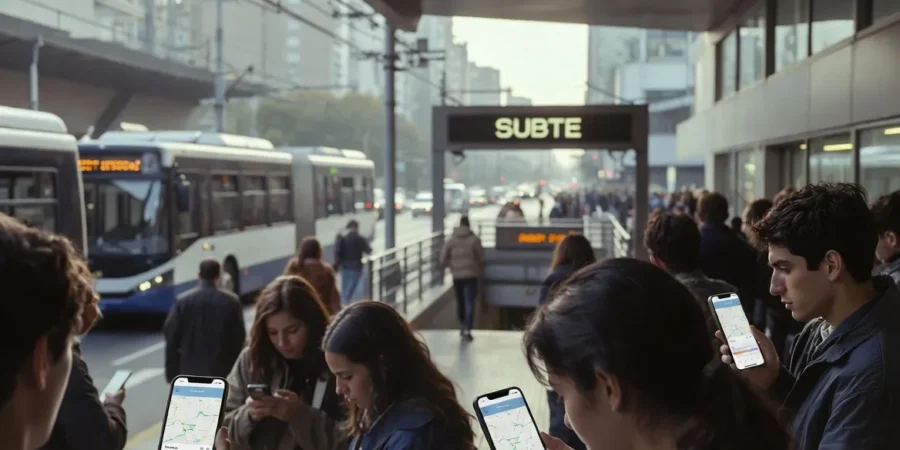
Argentina’s urban transportation system is experiencing a major technological transformation in 2026 as smart mobility apps become increasingly integrated into daily commuting life. Across Buenos Aires, Córdoba, Rosario, and Mendoza, commuters are relying more heavily on AI-powered transportation platforms that provide real-time updates, digital payments, route optimization, and intelligent travel planning.
The rapid growth of smart transportation reflects broader changes in urban living as cities seek more efficient ways to manage traffic congestion, public transit demand, and environmental sustainability.
Modern transportation apps in Argentina now allow users to track buses, trains, and subway systems live from their smartphones. Commuters can receive instant notifications about delays, crowded routes, schedule changes, and alternative transportation options before leaving home.
One of the biggest advantages of these systems is convenience. Digital ticketing and contactless payment technologies are reducing long lines and simplifying access to public transportation throughout major cities.
Artificial intelligence plays a growing role in improving transportation efficiency. AI algorithms analyze traffic patterns, passenger demand, and travel behaviors to recommend faster routes and improve urban mobility management.
The rise of remote work and flexible schedules has also influenced commuting habits significantly. Many professionals now travel during non-traditional hours, increasing demand for more adaptive and responsive transit systems.
Environmental concerns are another major factor driving investment in smart mobility. Governments and urban planners increasingly promote public transportation as a way to reduce carbon emissions and traffic pollution within densely populated cities.
Electric buses and eco-friendly transit systems are gradually becoming more visible in Argentina’s urban infrastructure as cities modernize transportation networks.
Social media discussions about traffic congestion and commuting frustration have further increased public interest in digital transportation solutions that save time and improve daily routines.
Tourists visiting Argentina are also benefiting from smart transit apps because multilingual navigation systems and digital payment tools make exploring large cities far easier for international travelers.
Technology startups focused on urban mobility are attracting increasing investment as Argentina’s digital economy expands. Many local developers are working on AI-based traffic prediction systems and integrated transportation platforms designed specifically for Latin American cities.
Urban planners believe smart mobility systems could eventually connect buses, bikes, ridesharing, trains, and pedestrian routes into fully integrated transportation ecosystems managed through unified digital platforms.
Experts predict transportation technology will continue reshaping Argentine cities as governments invest more heavily in digital infrastructure and sustainable mobility solutions.
For many Argentinians, smart transportation apps represent more than convenience. They symbolize the future of urban living where technology helps create cleaner, faster, and more connected cities for everyday life.

Leave a Reply