

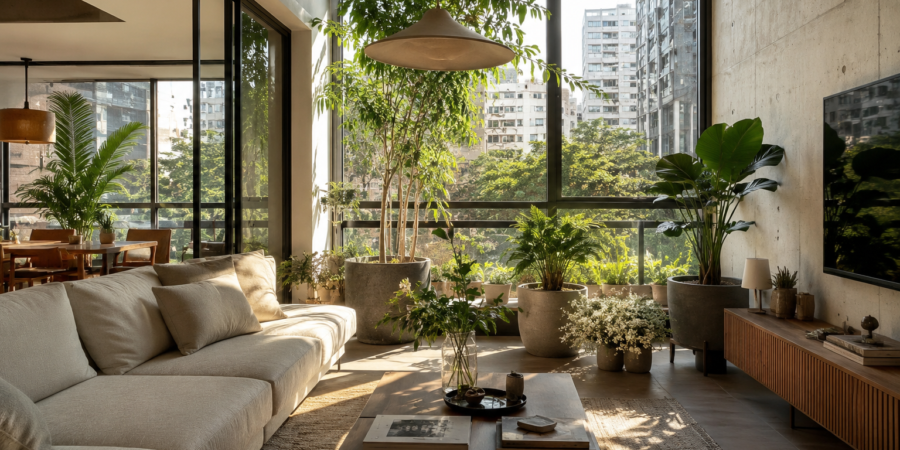
Argentina’s real estate market is experiencing a major shift in 2026 as wellness-focused apartment design becomes one of the most influential trends shaping urban housing. Developers, architects, and buyers are increasingly prioritizing living spaces designed to improve physical health, emotional well-being, and overall quality of life rather than simply maximizing luxury or square footage.
Modern apartment buyers in cities like Buenos Aires, Córdoba, and Rosario are looking for homes that feel calming, sustainable, and naturally connected to healthier lifestyles. As a result, residential design is evolving dramatically.
Natural lighting has become one of the most important architectural priorities within wellness-focused housing. Large windows, open layouts, and sunlight-optimized floor plans are now considered essential features because of growing awareness surrounding mental health and indoor living quality.
Indoor greenery is also playing a huge role in apartment design. Developers increasingly integrate vertical gardens, indoor plants, rooftop green areas, and natural landscaping elements directly into residential buildings to create more relaxing and eco-friendly environments.
Air quality and ventilation systems have become major selling points as well. Advanced filtration systems, natural airflow designs, and eco-conscious building materials are increasingly used to improve indoor comfort and reduce environmental impact.
The rise of remote work has strongly influenced apartment preferences. Many buyers now prioritize quiet workspaces, flexible room layouts, and calming home environments that support productivity and emotional well-being during long hours indoors.
Fitness and wellness amenities are expanding rapidly within residential projects. Modern apartment complexes increasingly include yoga studios, meditation rooms, rooftop relaxation areas, spa-inspired facilities, and wellness-centered community spaces.
Technology is becoming deeply integrated into the trend through smart lighting systems, automated climate control, air-quality monitoring devices, and energy-efficient infrastructure designed to create healthier daily living experiences.
Minimalist interior design aesthetics are especially popular within wellness-oriented apartments. Soft colors, natural textures, wood finishes, and clutter-free layouts help create visually calming environments that many residents associate with reduced stress and improved focus.
The trend also reflects broader cultural changes among younger Argentinians who increasingly value emotional wellness, sustainability, and balanced lifestyles over purely material luxury.
Luxury real estate developers are heavily investing in wellness branding because buyers are willing to pay premium prices for homes that support healthier lifestyles and long-term comfort.
Environmental sustainability remains closely connected to the movement. Energy-efficient appliances, solar integration, water-saving technologies, and eco-friendly construction materials are becoming increasingly common within high-end residential projects.
Psychologists and wellness experts note that living environments can strongly influence stress levels, sleep quality, and emotional health. This growing awareness is reshaping how people think about urban housing and apartment design.
Industry experts predict wellness-focused architecture could become one of the defining features of future urban living as cities continue adapting to post-pandemic lifestyle changes and increasing mental health awareness.
For many Argentinians, wellness-centered housing represents more than modern design. It reflects a deeper desire for homes that feel peaceful, healthy, emotionally supportive, and connected to a more balanced way of living.

Leave a Reply