

Argentina is famous for football, passionate culture, and breathtaking landscapes — but one of the country’s greatest treasures is its food.
From sizzling grilled meats to sweet desserts filled with dulce de leche, Argentine cuisine reflects generations of European influence mixed with deep local traditions. Food in Argentina is more than just a meal; it is part of everyday social life.
Whether you are walking through the streets of Buenos Aires or visiting small towns across the country, certain dishes are impossible to ignore.
Here are seven traditional Argentine foods every visitor should experience at least once.
1. Asado — Argentina’s Most Famous Culinary Tradition
No food represents Argentina more than asado.
An asado is not simply barbecue — it is a national ritual. Families and friends gather around massive grills where different cuts of meat are slowly cooked over charcoal or wood fire for hours.
The experience is deeply social and emotional. Conversations last for hours while the aroma of grilled beef fills the air.
Argentina’s world-famous beef quality makes the experience even more unforgettable.
2. Empanadas Are the Perfect Street Food
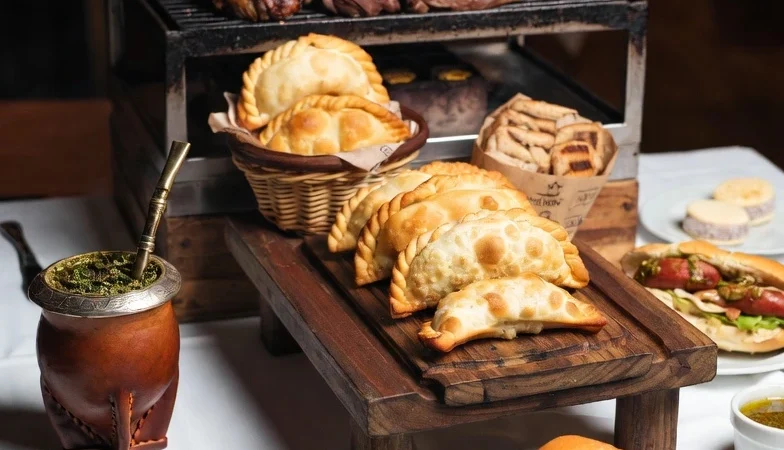
Found almost everywhere in Argentina, empanadas are one of the country’s most beloved comfort foods.
These baked or fried pastries are stuffed with ingredients like beef, chicken, cheese, onions, or ham. Every region of Argentina has its own variation, making them a huge part of local food culture.
They are simple, affordable, and incredibly addictive.
3. Dulce de Leche Is Argentina’s Sweet Obsession
If Argentina has a national dessert flavor, it is definitely dulce de leche.
The sweet caramel-like spread appears in cakes, cookies, ice cream, pastries, and even breakfast dishes. Locals grow up eating it from childhood, and visitors quickly understand why it is everywhere.
One of the most famous desserts featuring dulce de leche is alfajores — soft sandwich cookies filled with the rich cream.
4. Milanesa Became an Argentine Classic
Inspired by European immigration, especially from Italy, milanesa became one of Argentina’s favorite everyday meals.
It consists of thin breaded meat fillets that are fried until crispy and golden. Many Argentines eat it with mashed potatoes, fries, or inside massive sandwiches.
Simple but satisfying, milanesa remains comfort food across the country.
5. Choripán Is Football Stadium Culture
Outside football stadiums and busy street corners, the smell of choripán is impossible to miss.
This famous sandwich combines grilled chorizo sausage with crusty bread and chimichurri sauce. It is especially popular before football matches, where fans gather to eat and celebrate together.
Few foods capture Argentine street culture better than choripán.
6. Argentine Pizza Has Its Own Identity
While Italian influence shaped Argentine pizza, the country created its own unique style over time.
Argentine pizza is usually thicker, cheesier, and heavier than traditional Italian versions. In Buenos Aires, pizza restaurants often stay packed late into the night as friends gather after football matches or nightlife events.
Mozzarella-heavy slices became a signature part of urban Argentine culture.
7. Mate Is More Than a Drink
Technically not food, but no Argentine culinary experience is complete without mate.
This traditional herbal drink is shared socially among friends, family, and coworkers. Drinking mate together symbolizes connection and conversation throughout Argentine culture.
Visitors quickly notice people carrying thermoses and mate cups everywhere they go.
For Argentines, it is part of daily life.
Why Argentine Food Culture Feels Different
What makes Argentine cuisine special is not only the taste, but the emotional connection people have with food.
Meals are slow, social, and deeply connected to family traditions. Whether it is a weekend asado, sharing mate, or eating empanadas during football matches, food plays a central role in Argentine identity.
That passion is exactly why visitors fall in love with the country’s culinary culture so quickly.
Argentina may be famous for football legends and dramatic stadiums, but its food tells an equally important story.
And once you taste it, you understand why locals are so proud of it.

Leave a Reply