

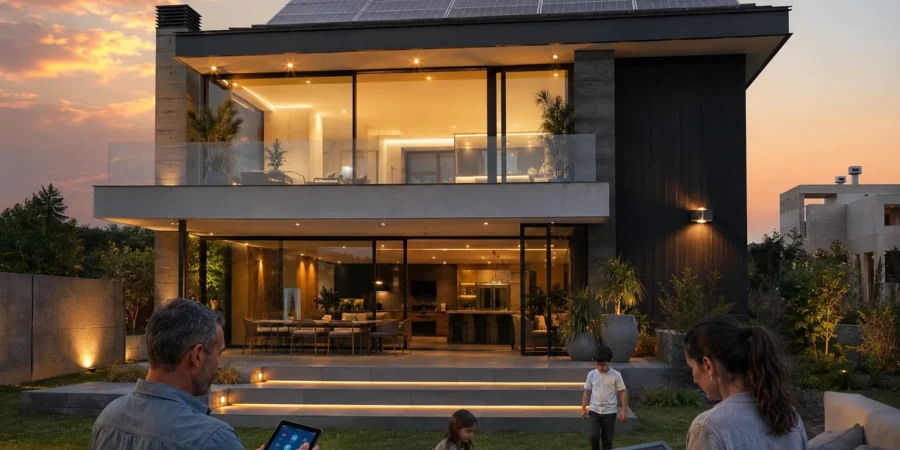
Argentina is witnessing a major transformation in residential living as solar-powered smart homes become one of the country’s fastest-growing technology trends in 2026. Across cities like Buenos Aires, Córdoba, and Mendoza, homeowners are increasingly combining renewable energy systems with advanced home automation technology to create more efficient, sustainable, and modern living environments.
The shift toward smart homes has accelerated because of rising energy costs and growing environmental awareness. Many Argentine families are now investing in rooftop solar panels, intelligent lighting systems, automated climate control, and energy-monitoring devices that help reduce electricity consumption while improving daily comfort.
Modern smart homes in Argentina are designed to maximize efficiency. Automated systems can now adjust lighting brightness based on natural sunlight, regulate indoor temperatures depending on weather conditions, and monitor electricity usage in real time through mobile applications. Homeowners can control security cameras, appliances, and even irrigation systems remotely using smartphones or voice commands.
Solar technology has become especially attractive due to Argentina’s strong sunlight conditions in many regions. Advanced solar panel systems allow households to generate significant amounts of renewable energy, reducing dependence on traditional power grids. Some homeowners are even selling excess electricity back into local energy networks through emerging renewable energy programs.
Young professionals and environmentally conscious families are driving much of the demand for smart living solutions. Many consumers see sustainable homes not only as practical investments but also as symbols of modern lifestyles centered around efficiency and environmental responsibility.
Construction companies and property developers are responding quickly to the trend. New residential projects increasingly advertise smart-home integration as a premium feature, offering built-in automation systems, solar infrastructure, and eco-friendly designs to attract buyers.
Interior design is evolving alongside the technology. Smart homes often feature minimalist layouts, large energy-efficient windows, natural lighting concepts, and integrated digital systems that create clean and modern living spaces. Many architects are focusing on balancing advanced technology with comfortable and aesthetically pleasing environments.
Security has become another major selling point. Smart surveillance systems now allow homeowners to monitor entrances, receive real-time alerts, and control access remotely. Advanced motion sensors and AI-powered security cameras are becoming common features in modern Argentine homes.
The growth of remote work has also influenced the trend. As more professionals spend time working from home, demand for intelligent living environments with optimized lighting, temperature control, and energy management has increased significantly.
Technology companies across Argentina are beginning to develop locally adapted smart-home systems designed specifically for regional climates and energy needs. This local innovation is helping reduce costs while making advanced technology more accessible to middle-class consumers.
Experts predict that smart-home adoption will continue expanding rapidly over the next decade as renewable energy technology becomes more affordable and automation systems become easier to install. Future homes may include fully AI-managed energy systems capable of predicting household consumption patterns and optimizing electricity usage automatically.
For many Argentinians, smart homes represent more than just technological upgrades. They symbolize a future focused on sustainability, convenience, and modern urban living. As renewable energy and automation continue evolving together, Argentina’s residential landscape is gradually becoming greener, smarter, and more connected.

Leave a Reply