

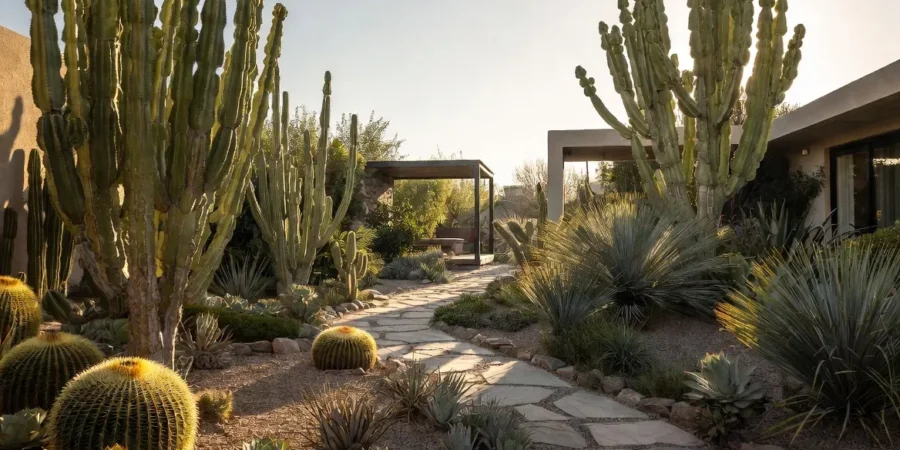
One of the most unexpected gardening trends taking over Argentina in 2026 is the rise of desert-inspired landscaping. Homeowners across Buenos Aires Province, Mendoza, and other dry-climate regions are replacing traditional grass-heavy gardens with stylish outdoor spaces built around cacti, succulents, stone textures, and drought-resistant plants.
This landscaping movement combines sustainability with modern architectural aesthetics, creating outdoor environments that feel luxurious, low-maintenance, and environmentally practical. As climate conditions become hotter and water conservation grows increasingly important, many Argentinians are moving away from gardens that require constant irrigation and expensive upkeep.
Desert-style landscaping focuses heavily on natural materials and minimalist design. Instead of large green lawns, these gardens often feature decorative gravel, textured stone paths, sculptural cactus arrangements, and carefully placed native plants adapted to dry conditions. The result creates visually striking outdoor spaces that require far less maintenance than traditional gardens.
Interior designers and architects have strongly influenced the trend by blending modern Latin American architecture with desert-inspired outdoor aesthetics. Clean lines, earthy tones, warm lighting, and organic textures create relaxing spaces that feel contemporary while remaining deeply connected to nature.
Succulents and cacti have become especially popular because of their unique visual appearance and resilience. Many species thrive in harsh sunlight and require minimal watering, making them ideal for homeowners looking to reduce water consumption during increasingly warm Argentine summers.
Social media platforms have helped popularize the trend dramatically. Photos and videos of beautifully designed desert gardens featuring dramatic sunset lighting and sculptural plants have attracted large online audiences interested in modern landscaping ideas.
The trend is particularly strong among younger homeowners seeking environmentally responsible lifestyles without sacrificing visual style. Many consumers now view sustainable landscaping as both a practical and fashionable choice.
Landscape businesses throughout Argentina are adapting quickly to rising demand. Specialized nurseries focused on drought-resistant plants are expanding, and landscape designers increasingly offer desert-inspired packages tailored to different budgets and property sizes.
Another reason behind the movement is maintenance efficiency. Traditional lawns require constant mowing, watering, and seasonal care, while desert landscapes can remain visually attractive with minimal long-term effort. This appeals strongly to busy urban professionals and homeowners managing larger properties.
Restaurants, hotels, and cafés are also embracing desert-inspired outdoor design. Stylish courtyards filled with cacti, warm lighting, and natural stone textures create visually memorable environments that attract customers searching for modern and aesthetic experiences.
Environmental experts believe the trend could continue expanding as climate awareness grows across South America. Drought-resistant landscaping not only reduces water usage but also supports more sustainable urban planning practices in regions facing environmental pressure.
Future developments may include fully integrated eco-landscaping systems that combine rainwater collection, native plant ecosystems, and smart irrigation technology to create highly efficient outdoor spaces.
For many Argentinians, desert landscaping represents more than a gardening trend. It reflects a broader cultural shift toward sustainability, simplicity, and outdoor living environments that balance beauty with environmental responsibility.

Leave a Reply