

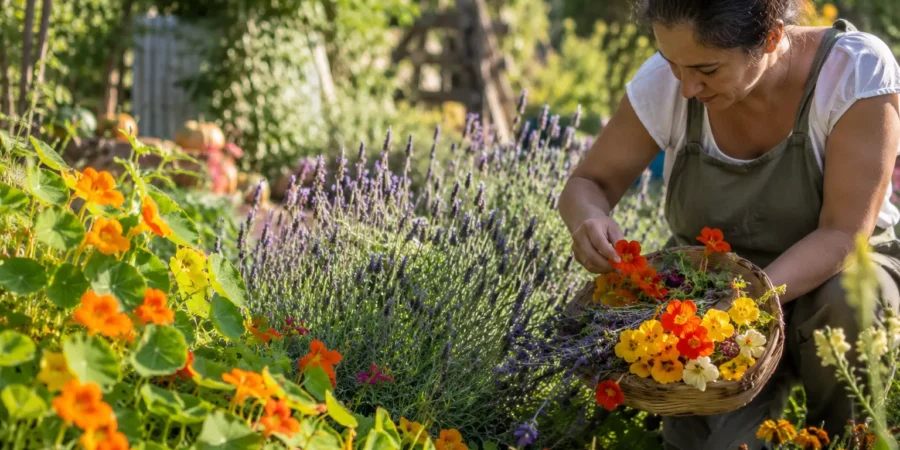
One of the most unique gardening trends rapidly growing across Argentina in 2026 is edible flower gardening. Homeowners, chefs, and gardening enthusiasts are increasingly cultivating colorful flowers not just for decoration, but also for cooking, drinks, desserts, and healthy living.
Across Buenos Aires, Mendoza, and Córdoba, edible flower gardens are appearing in urban balconies, backyard vegetable gardens, rooftop spaces, and restaurant terraces. This trend combines sustainability, aesthetics, and culinary creativity in a way that perfectly reflects modern lifestyle culture.
Flowers such as nasturtiums, lavender, marigolds, pansies, chamomile, and violets are becoming especially popular because they are visually beautiful while also safe to consume. These flowers are now regularly used in salads, herbal teas, desserts, cocktails, and gourmet food presentation.
The rise of social media has played a massive role in the popularity of edible flowers. Visually stunning meals decorated with colorful petals have become extremely popular online, inspiring people to experiment with home-grown ingredients that feel artistic and natural.
Many younger Argentinians are becoming interested in growing edible flowers because they connect gardening directly with healthy lifestyles and home cooking. Instead of separating decorative gardening from food production, people are now creating multifunctional gardens that provide beauty, fragrance, and culinary ingredients at the same time.
Restaurants and cafés across Argentina are increasingly incorporating edible flowers into menus as well. Gourmet desserts decorated with fresh petals, botanical-inspired cocktails, and flower-infused teas are becoming highly fashionable within the country’s modern food scene.
The gardening trend also reflects broader consumer interest in organic living and sustainability. Home-grown edible flowers reduce dependence on commercially packaged decorative ingredients and encourage more natural food preparation practices.
Experts note that edible flowers can also attract pollinators such as bees and butterflies, helping improve biodiversity in urban environments. Many homeowners intentionally plant flower varieties that support local ecosystems while enhancing the visual appearance of outdoor spaces.
Educational workshops focused on botanical cooking and edible gardening are becoming increasingly common throughout Argentina. Gardening influencers and sustainability communities regularly teach beginners how to safely grow and use flowers in cooking.
Interior and exterior design trends have further boosted interest in edible gardens. Modern homes increasingly feature natural outdoor spaces where herbs, vegetables, and edible flowers are combined into visually cohesive landscapes that feel both luxurious and environmentally conscious.
Health-conscious consumers are especially attracted to flowers like lavender and chamomile because of their calming properties and traditional use in herbal drinks. Some edible flowers are also rich in antioxidants and natural nutrients, adding another layer of appeal to the trend.
Experts believe edible gardening may continue growing significantly as people seek more creative ways to combine sustainability, wellness, and personal expression within everyday life.
For many Argentinians, edible flower gardening is more than simply planting flowers. It represents a modern lifestyle where beauty, food, health, and creativity merge together naturally in both homes and urban living spaces.

Leave a Reply