

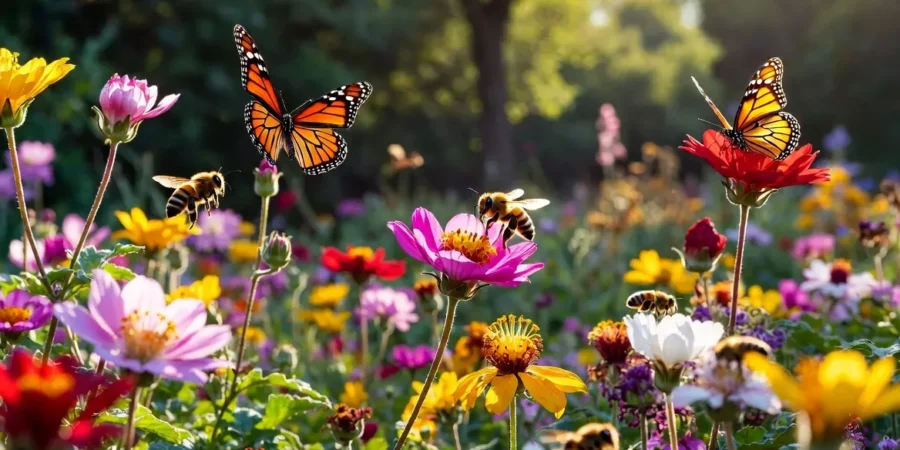
Across Argentina, gardeners are embracing a powerful new movement focused on supporting local ecosystems and protecting biodiversity. Pollinator-friendly gardening is rapidly becoming one of the country’s most meaningful landscaping trends in 2026.
Pollinators such as bees, butterflies, hummingbirds, and other insects play a critical role in food production and plant reproduction. Without healthy pollinator populations, many crops and flowering plants would struggle to survive.
Growing awareness of environmental issues has encouraged homeowners to redesign gardens specifically to attract and support pollinating species. Native flowers, flowering shrubs, and pesticide-free gardening practices are becoming increasingly common.
Unlike traditional ornamental landscaping, pollinator gardens prioritize ecological function alongside beauty. These spaces provide food, shelter, and breeding habitats for beneficial wildlife.
Native Argentine plant species are especially valuable because local pollinators have evolved alongside them for thousands of years. Gardeners are increasingly choosing regional flowers that thrive naturally within local climate conditions.
Schools, community organizations, and environmental groups are actively promoting pollinator education programs. Many communities now organize planting events designed to increase urban biodiversity.
The visual appeal of pollinator gardens is another major advantage. Bright flowers, diverse textures, and constant wildlife activity create dynamic outdoor environments that change throughout the seasons.
Urban areas particularly benefit from pollinator-friendly landscaping. Small gardens, balconies, rooftops, and public parks can collectively provide important habitat corridors for insects and birds.
Social media has helped spread awareness significantly. Videos showing butterflies, bees, and flowering gardens often inspire people to create their own wildlife-friendly outdoor spaces.
The movement aligns closely with broader sustainability goals. By supporting biodiversity, reducing pesticide use, and encouraging native plants, pollinator gardens contribute positively to environmental health.
Experts believe biodiversity-focused gardening will become increasingly important as climate change and urban development continue affecting natural ecosystems.
For many Argentinians, pollinator gardening represents a simple but meaningful way to contribute to environmental protection while creating beautiful outdoor spaces filled with life.

Leave a Reply