

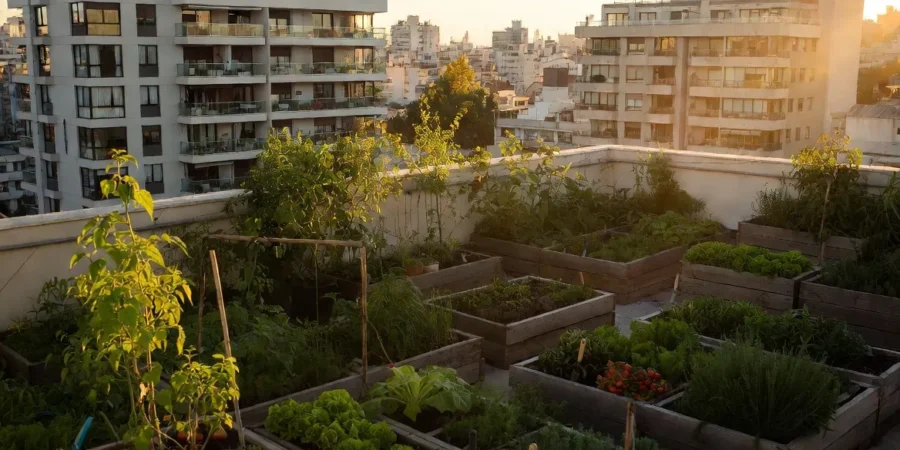
Urban gardening is experiencing a massive transformation across Argentina, and one of the fastest-growing trends in 2026 is rooftop vegetable gardening. In cities like Buenos Aires, Rosario, and Córdoba, residents are turning unused rooftop spaces into productive green environments filled with vegetables, herbs, and fruit plants.
As apartment living continues increasing in major urban areas, many people are searching for creative ways to reconnect with nature while producing fresh food at home. Rooftop gardens offer an ideal solution by combining sustainability, healthy living, and efficient use of limited city space.
The movement became especially popular among younger Argentinians interested in organic lifestyles and environmentally conscious living. Instead of relying entirely on supermarket produce, many urban residents now grow tomatoes, lettuce, peppers, basil, strawberries, and other crops directly above their homes.
One of the main reasons for the trend’s popularity is economic practicality. Rising food prices have encouraged families to explore self-sufficient gardening methods that reduce grocery expenses. Even small rooftop spaces can produce significant amounts of fresh vegetables during the growing season.
Modern rooftop gardens are also becoming visually impressive. Many homeowners are combining functional vegetable beds with stylish outdoor furniture, wooden decks, vertical gardens, and decorative lighting to create relaxing social spaces. Rooftops that were once empty concrete surfaces are now vibrant green escapes above crowded city streets.
Technology is playing an important role as well. Smart irrigation systems, moisture sensors, and automated watering devices are making rooftop gardening easier for beginners. Mobile apps now help gardeners monitor plant health, weather conditions, and watering schedules with minimal effort.
Environmental concerns are another major factor behind the growth of rooftop farming. Green rooftops help reduce urban heat, improve air quality, and support biodiversity within densely populated neighborhoods. Plants absorb heat from concrete surfaces and create cooler microclimates, which can reduce indoor temperatures during Argentina’s increasingly hot summers.
Restaurants and cafés are also embracing the trend. Some businesses now grow herbs and vegetables directly on their rooftops to provide fresher ingredients for customers. This farm-to-table concept has become especially attractive in Buenos Aires’ modern food scene, where consumers increasingly value locally grown produce.
Community rooftop gardens are beginning to appear in residential buildings as well. Neighbors collaborate to maintain shared vegetable spaces, creating stronger social connections while promoting sustainable living practices. These projects are particularly popular among younger professionals seeking healthier and more community-oriented urban lifestyles.
Experts believe rooftop agriculture could become an essential part of future city planning in Argentina. As urban populations continue growing, integrating green food-producing spaces into buildings may help improve sustainability and reduce pressure on traditional agricultural supply chains.
Architects and developers are already designing new apartment complexes that include dedicated rooftop gardening areas as a selling feature. Buyers are increasingly attracted to properties that offer eco-friendly amenities and opportunities for healthier lifestyles.
Educational workshops about urban farming are also expanding across Argentina. Gardening influencers, sustainability organizations, and environmental groups regularly host events teaching residents how to start rooftop vegetable gardens using affordable materials and beginner-friendly techniques.
For many city residents, rooftop gardening is about more than simply growing food. It represents a lifestyle shift toward sustainability, self-sufficiency, and reconnecting with nature in an increasingly digital and urbanized world. As the movement continues growing, Argentina’s city skylines are gradually becoming greener, healthier, and more environmentally conscious.

Leave a Reply