

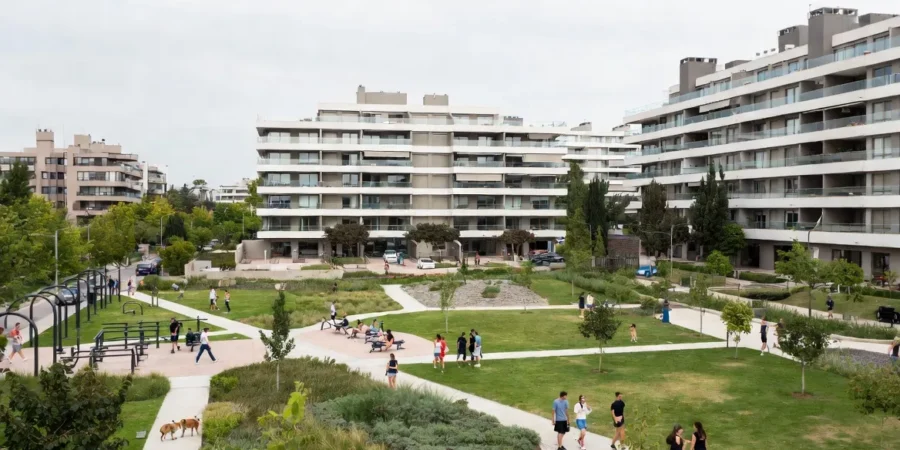
The concept of homeownership is evolving rapidly in Argentina as buyers increasingly prioritize wellness, lifestyle quality, and community-focused living. In 2026, wellness-centered residential developments are emerging as one of the country’s most significant real estate trends.
Traditionally, property buyers focused primarily on location, size, and price. While these factors remain important, modern consumers are also considering how neighborhoods contribute to physical health, mental well-being, and overall quality of life.
Developers are responding by creating residential communities designed around wellness principles. These projects often include walking trails, bicycle paths, outdoor fitness areas, meditation gardens, green spaces, and recreational facilities that encourage healthy lifestyles.
The popularity of these developments reflects broader changes in consumer priorities following years of increased focus on health and work-life balance. Many residents now seek environments that support active living while reducing stress associated with urban life.
Green space plays a central role within wellness communities. Research consistently highlights the benefits of access to nature, including improved mood, reduced stress levels, and greater physical activity. Developers are therefore dedicating larger portions of land to parks, gardens, and landscaped areas.
Modern wellness communities also emphasize social interaction. Shared outdoor spaces, community events, coworking facilities, and recreational programs help foster stronger neighborhood connections and a greater sense of belonging.
Technology is increasingly integrated into these developments as well. Smart security systems, air quality monitoring, sustainable building materials, and energy-efficient infrastructure contribute to healthier living environments.
Remote work trends have further increased demand for wellness-focused housing. As more professionals spend significant time working from home, the quality of residential surroundings has become increasingly important.
Investors are taking notice of this shift. Properties located within wellness-oriented communities often attract strong buyer interest because they align closely with emerging lifestyle preferences among younger professionals and families.
Environmental sustainability is another key component. Many wellness communities incorporate renewable energy systems, water conservation measures, and eco-friendly construction practices designed to minimize environmental impact.
Real estate analysts believe wellness-focused developments will continue expanding as consumers increasingly prioritize health, sustainability, and community engagement when making housing decisions.
For Argentina’s property market, wellness communities represent a new generation of residential development where homes are designed not only as places to live but also as environments that actively support healthier and more fulfilling lifestyles.

Leave a Reply